
The observer effect
On seeing and being changed

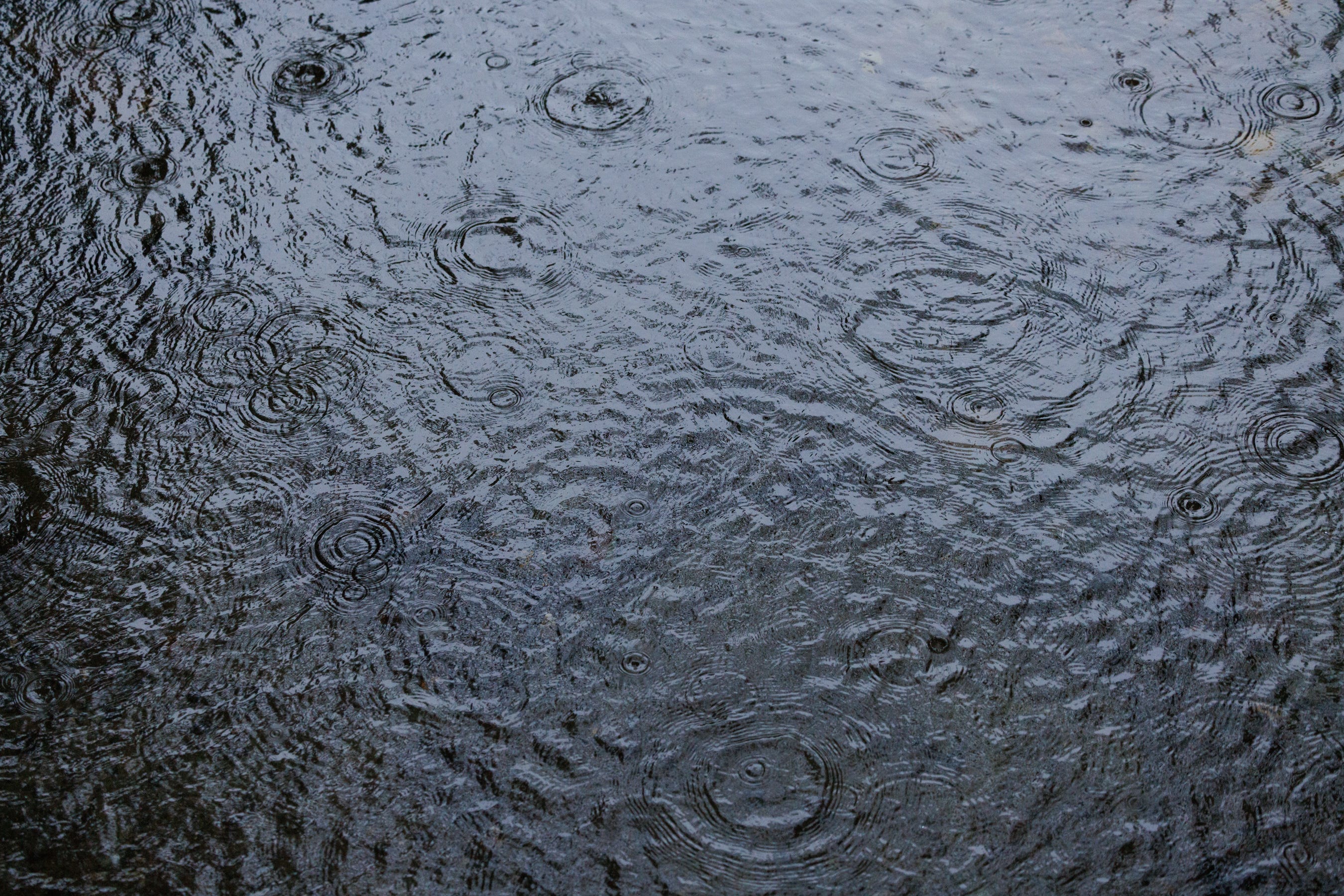
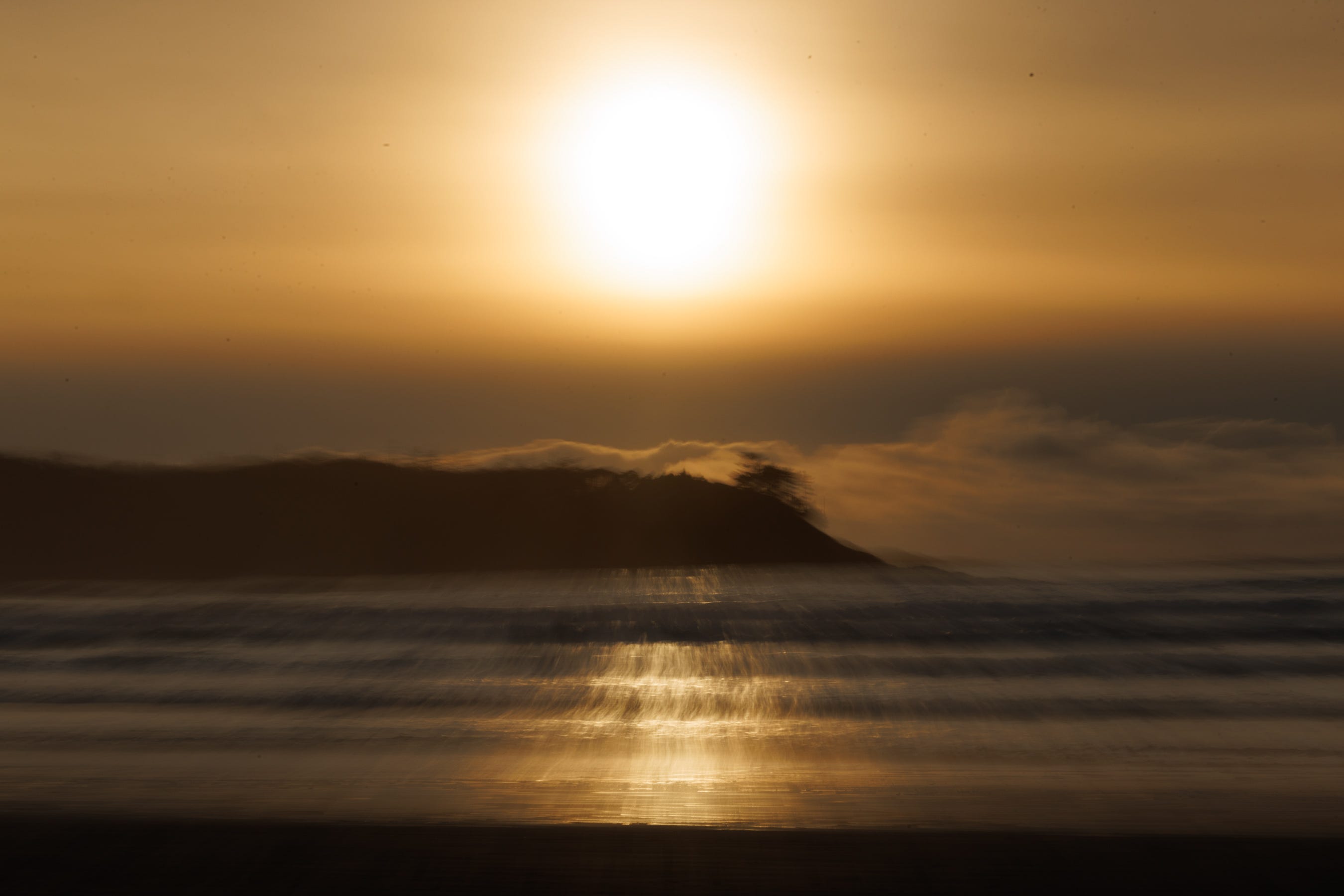
What does it mean to observe? The moment I raise the camera, I’ve already made a choice about what to see. As neutral as it feels to photograph, the process is anything but.
It makes me think of the measurement problem, when a quantum system doesn’t assign a single outcome, it allows multiple outcomes to coexist. The act of measurement resolves into a superposition, similar to developing a photograph in a darkroom. Before development, the image exists on the film as many latent possibilities. The dev process brings one specific image into view.
What remains contested is what constitutes a measurement, and what role the observer plays in that process. I don’t claim to be any kind of expert in physics, but I’m certainly someone curious about the phenomenal world. As a person who’s always felt at home in a state of observation, this idea of influencing the moment made me feel unsettled. I don’t think of my presence, or my photographs, as an alteration of what I observed.
In John Berger’s book Ways of Seeing, he makes the claim seeing comes before we have words for it.1 Before we name what we are seeing, before we frame it or interpret it, we have simply already seen it. Berger is careful to note that this relationship is never clean:
The way we see things is affected by what we know or what we believe. In the Middle Ages when men believed in the physical existence of Hell the sight of fire must have meant something different from what it means today. Nevertheless their idea of Hell owed a lot to the sight of fire consuming and the ashes remaining - as well as to their experience of the pain of burns.
We create photographs based on our history, expectations, and the cumulative weight of everything we have been taught throughout our unique cultures. The observer, in Berger’s account, is a position, shaped before the looking even begins.
Susan Sontag’s work in On Photography describes how photographers try to resist this conclusion2:
Usually photographers feel obliged to protest photography’s innocence, claiming that the predatory attitude is incompatible with a good picture, and hoping that a more affirmative vocabulary will put over their point. One of the more memorable examples of such verbiage is Ansel Adams’s description of the camera as an “instrument of love and revelation”; Adams also urges that we stop saying that we “take” a picture and always say we “make” one.
Despite my own feelings on my relationship to photographs, these perspectives on photography teach me that each frame carries responsibility. There are times when pressing the shutter feels right, as if the moment asks to be seen. Then there are other times when the most honest act is restraint. It feels truer to lower my camera and let the scene continue unaffected. Learning the difference is its own practice and a way of paying attention. To photograph or not are both forms of witness and both leave traces. What matters is the intention behind the desire to create, whether it seeks to claim something or to understand it. Sontag goes on to write:
To take a photograph is to participate in another person’s (or thing’s) mortality, vulnerability, mutability.
The camera reorganizes reality into an image-world. What we see and value shifts under the pressure of photographic practices and the social systems that circulate images according to Sontag’s analysis of photography. Berger argues that seeing is already shaped by what we know, that the viewer is not a blank slate. The ways of seeing we bring to any image are already shaped by what we have been taught. Each of these historical, phenomenological, and physical frameworks reject naive realism: there is no unaffected “real world” that we just look at. The images don’t form themselves, but knowing how we have been taught to see is the first step toward seeing on our own terms.
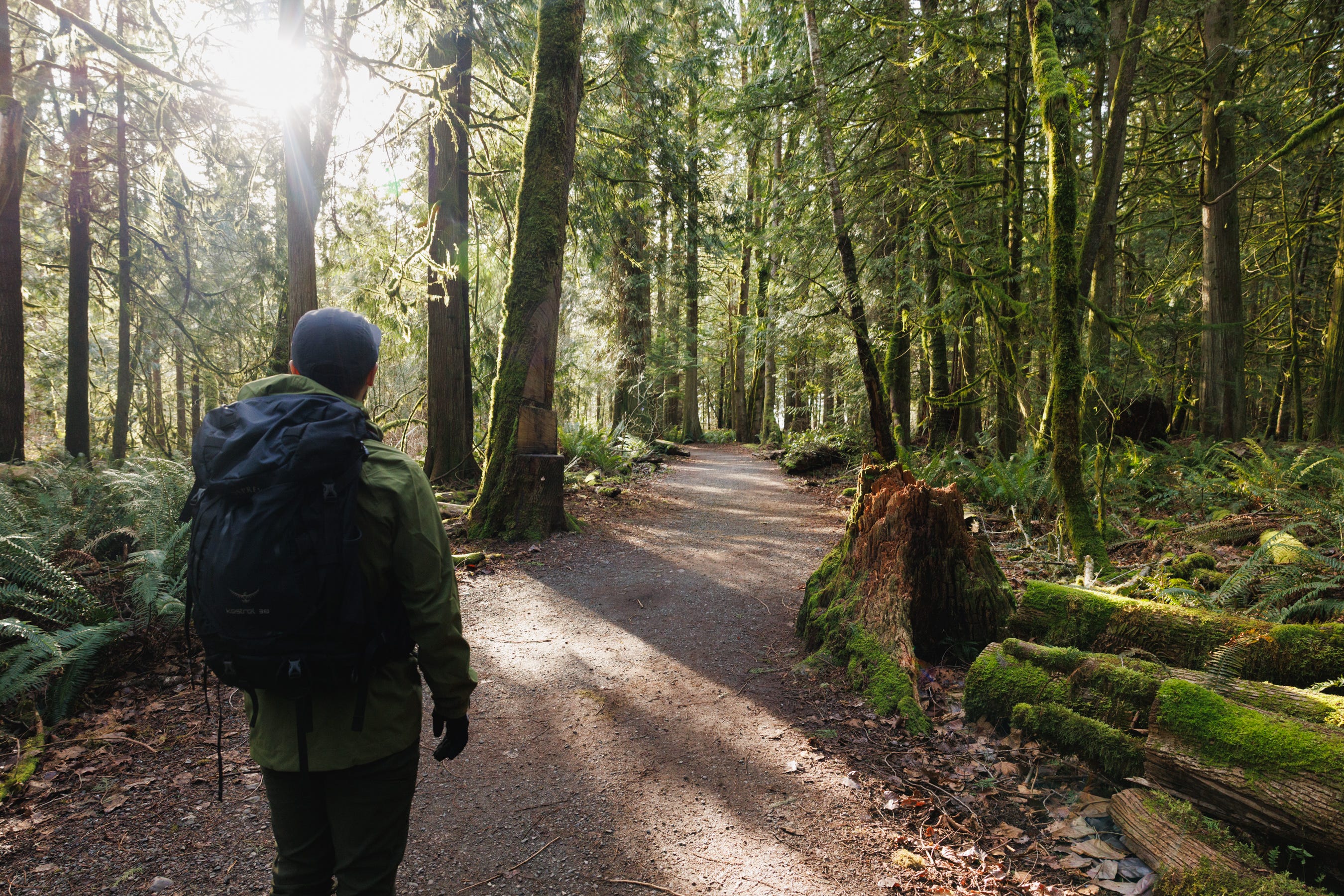
Berger, John. Ways of Seeing. British Broadcasting Corporation and Penguin Books, 1972.
Sontag, Susan. On Photography. Farrar, Straus and Giroux, 1977.